How to Evaluate a Neem Product Supplier
Choosing a neem supplier involves more than comparing a price per kilogram. Importers and product teams should evaluate whether the manufacturer can deliver the required specification consistently and support the documentation, packaging and logistics needed for the destination market.
Start With the Product Specification
Define the product, grade, intended application and critical acceptance limits before requesting quotations. A useful inquiry includes expected volume, preferred packaging, delivery destination and any testing or documentation requirements.
Review Quality Controls
Ask how raw materials are selected, how batches are identified and which checks are performed before dispatch. The supplier should be able to explain its process clearly and provide documents relevant to the agreed specification.
Key questions include:
- Is each batch traceable?
- Which parameters are tested?
- Can a pre-shipment sample be supplied?
- How are non-conforming batches handled?
- Which documents accompany the shipment?
Assess Manufacturing Capability
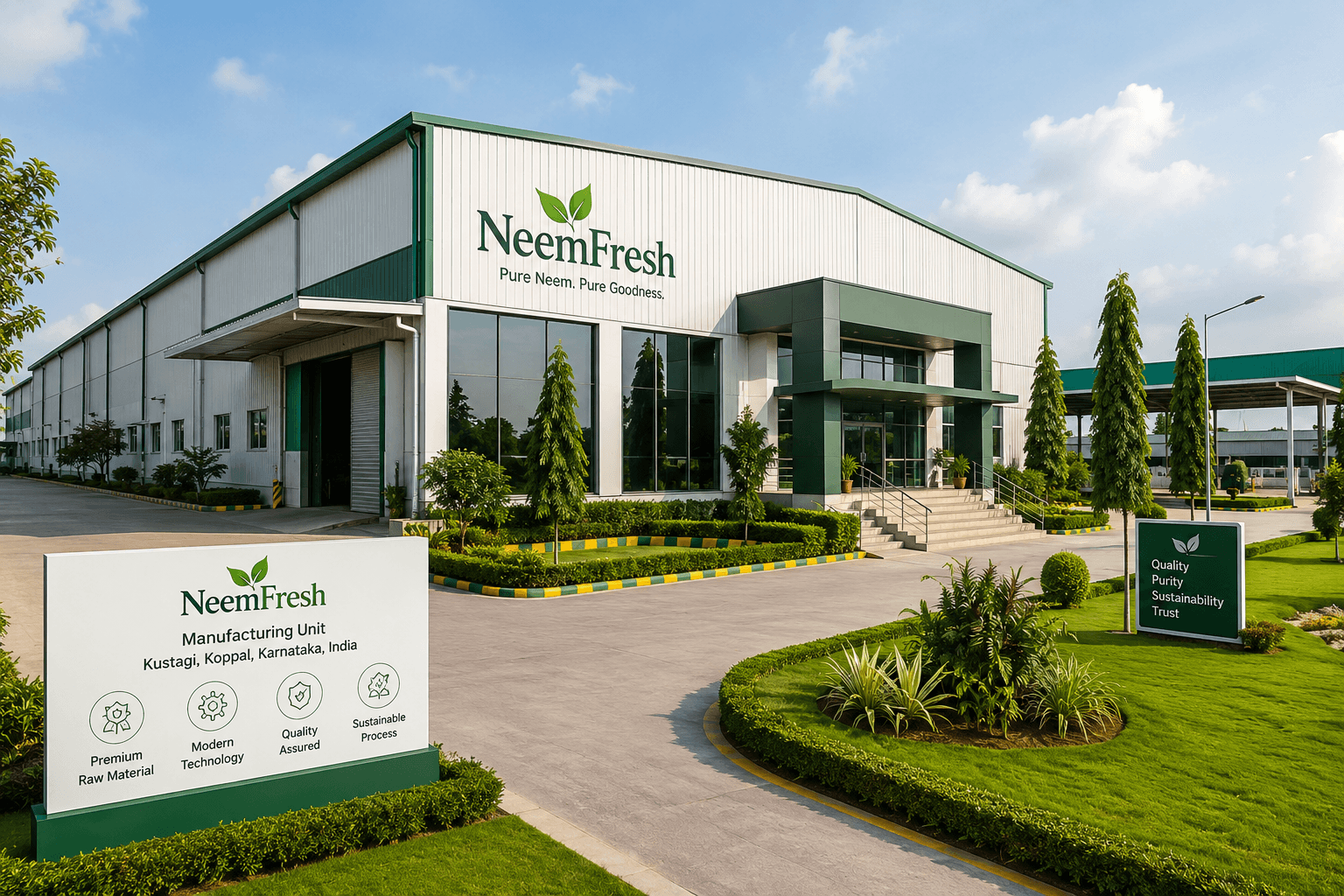
The right facility should match your required product and order size. Discuss production capacity, normal lead time, minimum order quantity and how seasonal raw-material changes are managed.
Confirm Packaging Options
Packaging affects product protection, warehouse handling and landed cost. Confirm the pack size, liner material, closure, palletization and label information. Private-label projects also need an approval process for artwork and regulatory text.
Plan Export Documentation
Required documents depend on the product and destination. Agree on the commercial invoice, packing list, certificate of origin, transport documents and any product-specific certificates before production begins. The importer remains responsible for confirming local entry and compliance requirements.
Compare Total Value
Evaluate quotations using the complete commercial offer: specification, packaging, quantity, Incoterm, lead time, payment terms and documentation. A slightly lower unit price may not represent better value if it introduces inconsistency or avoidable logistics risk.
A Better First Conversation
Send a structured inquiry with your application, specification, annual volume and target market. This helps the manufacturer respond with a realistic product, testing and delivery proposal instead of a generic quotation.